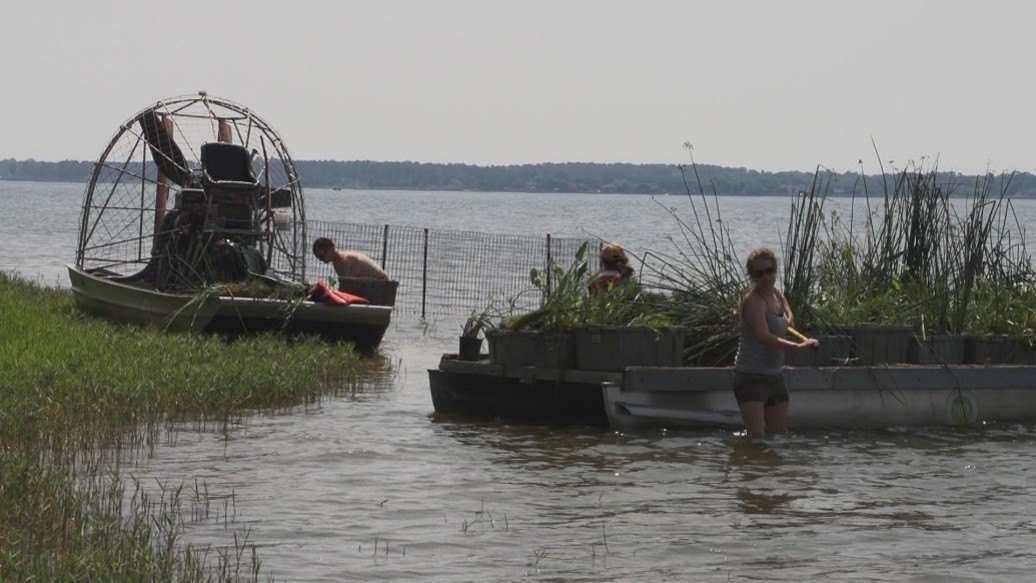
Lake Conroe supplies drinking water to more than 100,000 residents across the region, including Woodlands-area customers served through a 55-mile pipeline operated by the San Jacinto River Authority. SJRA, which has monitored the reservoir's water quality since 1991, published a detailed overview on Thursday, Aug. 6 of the programs standing between new development and that water supply.
The picture: SJRA runs at least six overlapping programs covering Lake Conroe and the tributaries feeding it, while also reviewing construction projects that could send sediment or pollutants into the reservoir.
What SJRA monitors
Staff collect water samples monthly from 10 locations across Lake Conroe, measuring bacteria, nutrient levels, suspended solids, pH, turbidity and dissolved oxygen at multiple depths. That work falls under the state-funded Clean Rivers Program, which SJRA has operated continuously at the lake since 1991.
A separate Nutrient Sampling Program tracks tributary coves and inlets after data showed increasing nutrient concentrations that could contribute to future water quality concerns. A Creek Sampling Program evaluates streams flowing into the lake through biological observations and flow measurements.
SJRA also inspects zebra mussel monitoring stations at marinas and boat ramps quarterly. No larvae have been detected in Lake Conroe to date.
Development review
As construction continues around the lake, SJRA reviews projects near the reservoir to verify stormwater management practices that reduce erosion and sediment runoff. Projects proposing to use the lake itself for stormwater detention face additional scrutiny, and developers are often required to install long-term water quality treatment measures, including vegetated swales, silt fences, trash collectors and oil catchment systems, before runoff enters the water.
There are limits.
SJRA cannot impose property taxes, cannot regulate development within FEMA-designated flood zones and cannot mandate that developers build detention facilities on new projects. That authority rests with city, county and local permitting departments.
SJRA also regulates septic systems within 2,075 feet of the lake's shoreline as the state's authorized agent, imposing standards stricter than what Texas requires.
The local connection
All water draining through The Woodlands eventually flows into Spring Creek and then the West Fork San Jacinto River. Spring Creek is classified as impaired for contact recreation due to elevated E. coli bacteria levels, a concern documented since 2000. That impairment is separate from Lake Conroe's status; SJRA says the reservoir consistently exceeds federal Clean Water Act standards.
The Woodlands Township has marked roughly 7,000 to 8,000 of more than 14,000 storm drains across the community as part of its own drain-marking program. SJRA runs a parallel effort, the Storm Water Inlet Marking program, where volunteers place "No Dumping – Drains to Lake" markers on drains closer to the reservoir.
Michelle Simpson, the SJRA staff member who authored the Thursday overview, wrote that as development and population growth continue, reports of potential environmental concerns have increased and the authority investigates complaints, documents findings and initiates enforcement actions when warranted.
What residents should know
Lake Conroe holds approximately 140 billion gallons. Water rights are split between SJRA, which holds one-third (33,333 acre-feet per year), and the City of Houston, which holds two-thirds. SJRA's Groundwater Reduction Plan Division operates a 30-million-gallon-per-day treatment plant that sends treated Lake Conroe water through the 55-mile pipeline to seven partner utilities.
SJRA does not have taxing authority. Its revenue comes entirely from providing water and wastewater services to local retail providers, including the 11 Municipal Utility Districts within The Woodlands. Residents who want to report an environmental concern in the Lake Conroe watershed can contact SJRA through sjra.net.