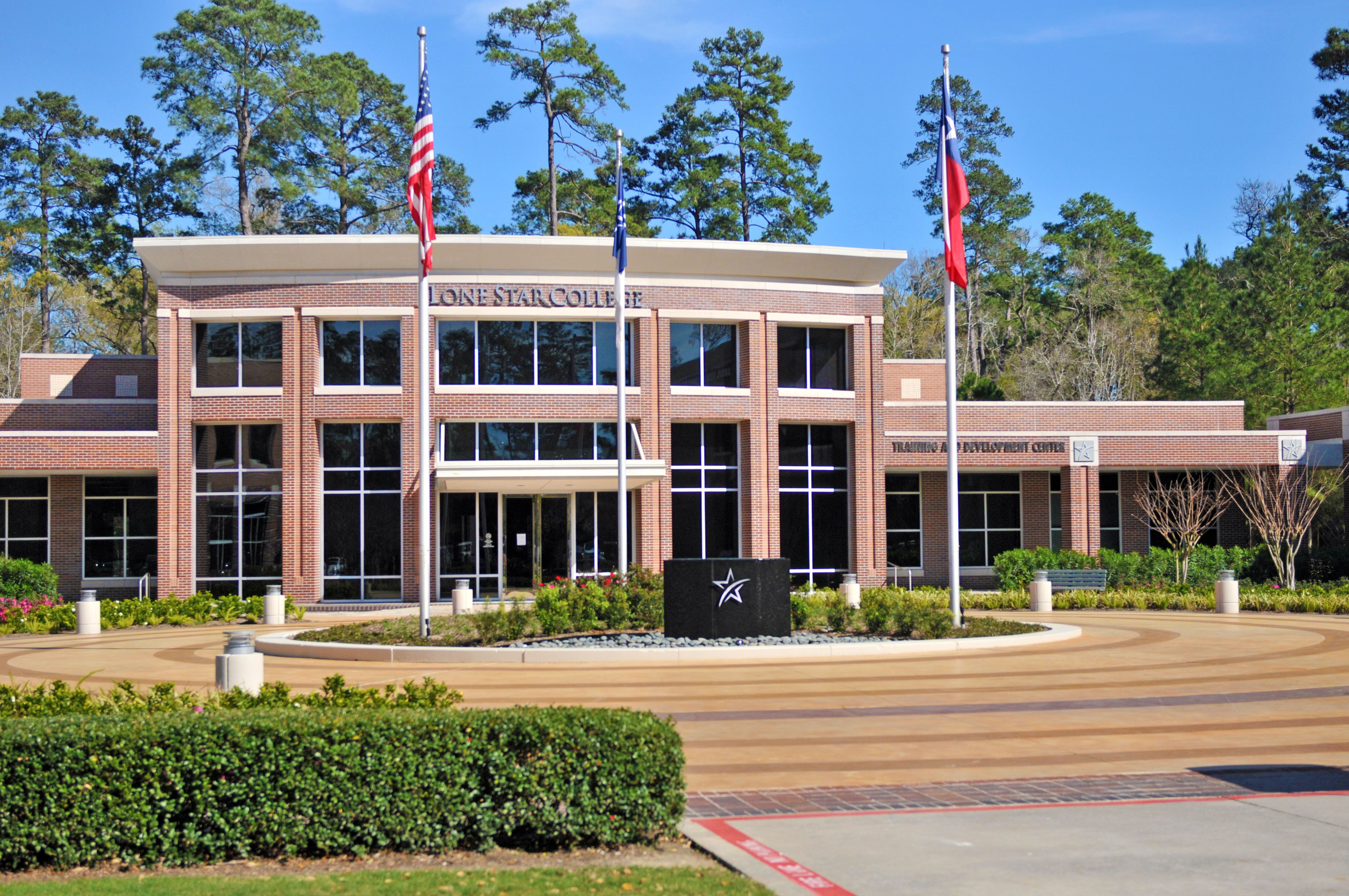
Woodlands-area students heading to Lone Star College this fall will pay the same tuition they did last year: $111 per credit hour, or $1,665 for a full 15-hour semester load.
The LSC Board of Trustees voted Thursday, Aug. 6, to approve a $577.5 million balanced budget for fiscal year 2027 that holds tuition flat for the second consecutive year and funds 2% raises for all employee categories, according to Woodlands Online. The budget requires no draw from cash reserves.
"We're very thankful that this budget is built on strong financial foundations," Kristy Vienne, vice chancellor for finance and administration, told the board at LSC-University Park. She said the system used conservative revenue and expense estimates, preferring to "overperform and have extra left over at the end."
Where the money comes from
The budget anticipates $263 million from local property taxes, $162 million in student revenues, $118 million in state allocations and $34.5 million from miscellaneous activities. Certified property values had not yet been received as of the Aug. 6 meeting; the board is expected to vote on the actual property tax rate in early October, based on a projected rate of $0.1058 per $100 taxable value with an 8% homestead exemption.
Raises across the board
Full-time instructional and non-instructional employees hired by March 31 will receive a 2% raise. Part-time hourly non-instructional workers and adjunct faculty also get 2% increases. The system enrolls more than 90,000 students each semester across eight colleges, including LSC-Montgomery, the campus closest to The Woodlands.
State funding pressure in the background
The budget vote was the first formal budget action since state HB 8 funding pressure surfaced publicly. Just one week earlier, Chancellor Mario Castillo told a Texas Senate committee that LSC deliberately avoids funding permanent positions with money from House Bill 8, the 2023 law that shifted community college funding from enrollment counts to outcomes like graduation rates and university transfers.
"We don't spend HB 8 money on anything that we couldn't just cut essentially overnight," Castillo said at the July 29 Senate hearing. As we reported July 30, the Texas Higher Education Coordinating Board prorated HB 8 payments after colleges surpassed state projections, contributing to a more than 15% drop in state funding for nearly a dozen colleges statewide. The gap reached nearly $90 million in the prior biennium. No LSC-specific shortfall figure has been publicly released.
What's next
The board's property tax rate vote is expected in early October, after certified property values are received. A specific meeting date has not been announced.