Grocery prices in the Houston-The Woodlands-Sugar Land area increased 0.1% between August and October, while fruit and vegetable prices rose 4.5%, according to the latest U.S. Bureau of Labor Statistics report. Gasoline prices increased 6.3% over the same two-month period.
Against that backdrop, Walmart President and CEO John Furner published a letter to customers in September pledging the company would not use shoppers' income, purchase history or urgency to raise prices. "We price the product, not the person," Furner stated in the letter posted on Walmart's website.
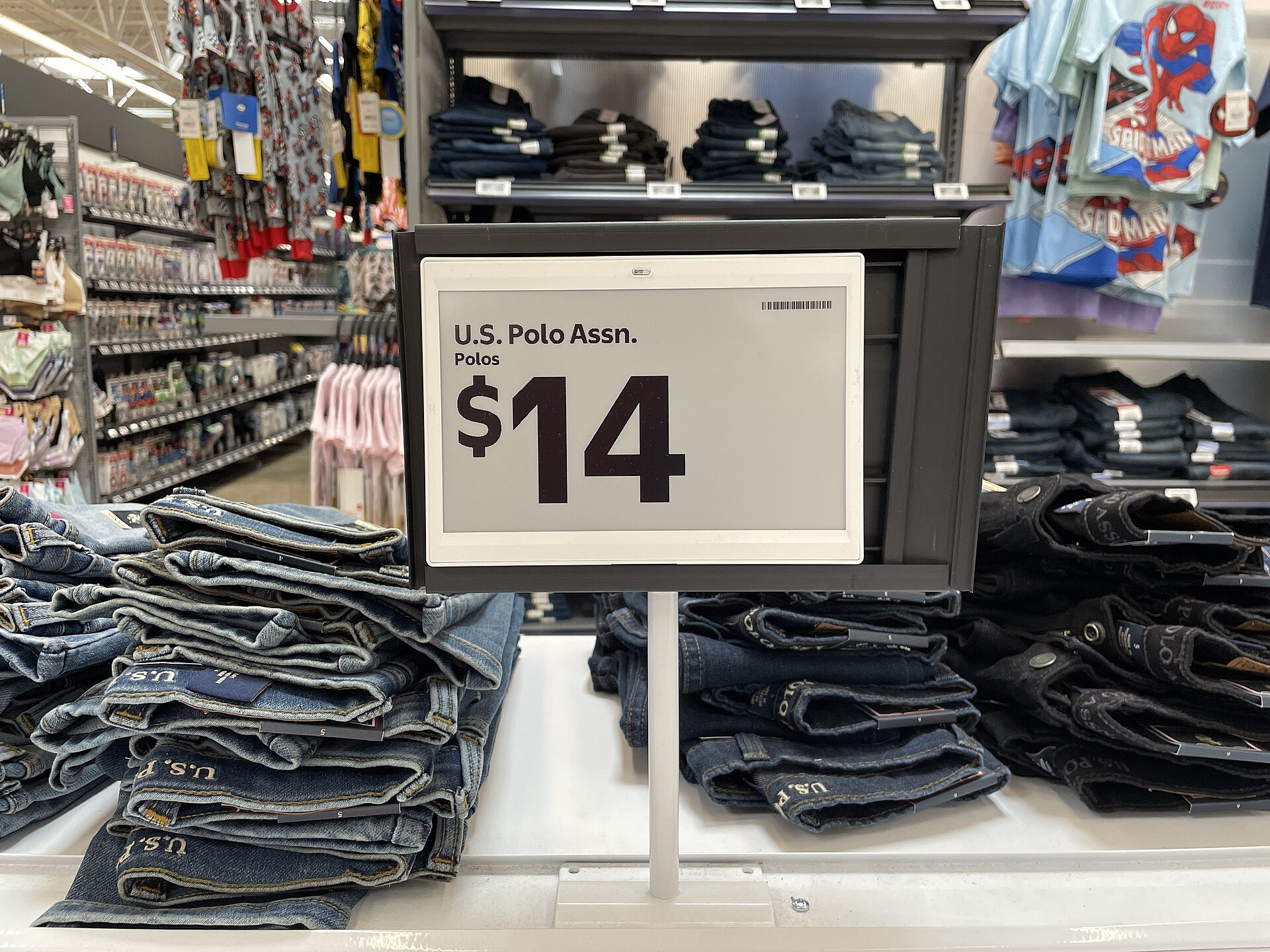
Furner's letter addressed growing consumer anxiety about whether retailers use artificial intelligence and digital shelf labels to adjust prices based on who is shopping. The Wall Street Journal reported Oct. 26 that shoppers and consumer advocates remain skeptical despite denials from Walmart, Kroger and McDonald's.
Walmart said on its corporate website that its digital shelf labels do not contain cameras or microphones, cannot identify customers and do not display different prices to different shoppers. The company said approved price updates generally happen outside regular shopping hours. About 2,300 Walmart U.S. locations were already using the labels as of a March company announcement, with a chain-wide rollout expected within a year.
Furner laid out three commitments in his letter: Walmart will not set prices based on who a customer is or the time of day; it will not use information shared with its AI shopping assistant, Sparky, to raise prices; and it will continue to let customers decide what personal details to share.
Kroger shifts strategy
The pricing fight is reshaping Walmart's biggest grocery rival. The Wall Street Journal reported Sept. 29 that Kroger CEO Greg Foran, a former head of Walmart's U.S. business, is pushing the grocer toward everyday low prices and away from its traditional cycle of temporary sales.
"We have to be relentless on cost," Foran told analysts, according to the Journal. "Every dollar we take out is a dollar we can reinvest in areas customers will see."
Kroger has cut hundreds of corporate jobs and closed dozens of underperforming stores as part of that push, the Journal reported. Citi retail analyst Paul Lejuez estimated in a research note that Walmart prices remain 5 to 20 percent lower on average than Kroger's.
Woodlands-area shoppers have already felt Kroger's contraction. The grocer closed its Spring store at 6060 FM 2920 on April 10, part of what the company called "a larger company-wide decision to run more efficiently," FOX 26 Houston reported in February. Shopper Jessica Curtis told FOX 26: "I'm dreading having to go to H-E-B, where before I only went for specific items, but now I'm having to go there permanently."
Regulatory landscape
Several states have moved to restrict data-driven grocery pricing. New Jersey on July 23 became the third state to ban surveillance pricing for groceries, following Maryland and Connecticut, according to a legal analysis by Holland & Knight. More than 40 surveillance pricing bills were pending across two dozen states as of late July.
Walmart stated on its affordability facts page that it does not use individualized, dynamic or surveillance pricing. The company said it reinvests tariff refunds into operations to support its low-price model.
BLS released October metropolitan-area figures Nov. 10. Annual comparisons were unavailable because October 2025 data were not collected during the federal funding lapse. The next Houston-area report, covering December, is scheduled for Jan. 13, 2027.