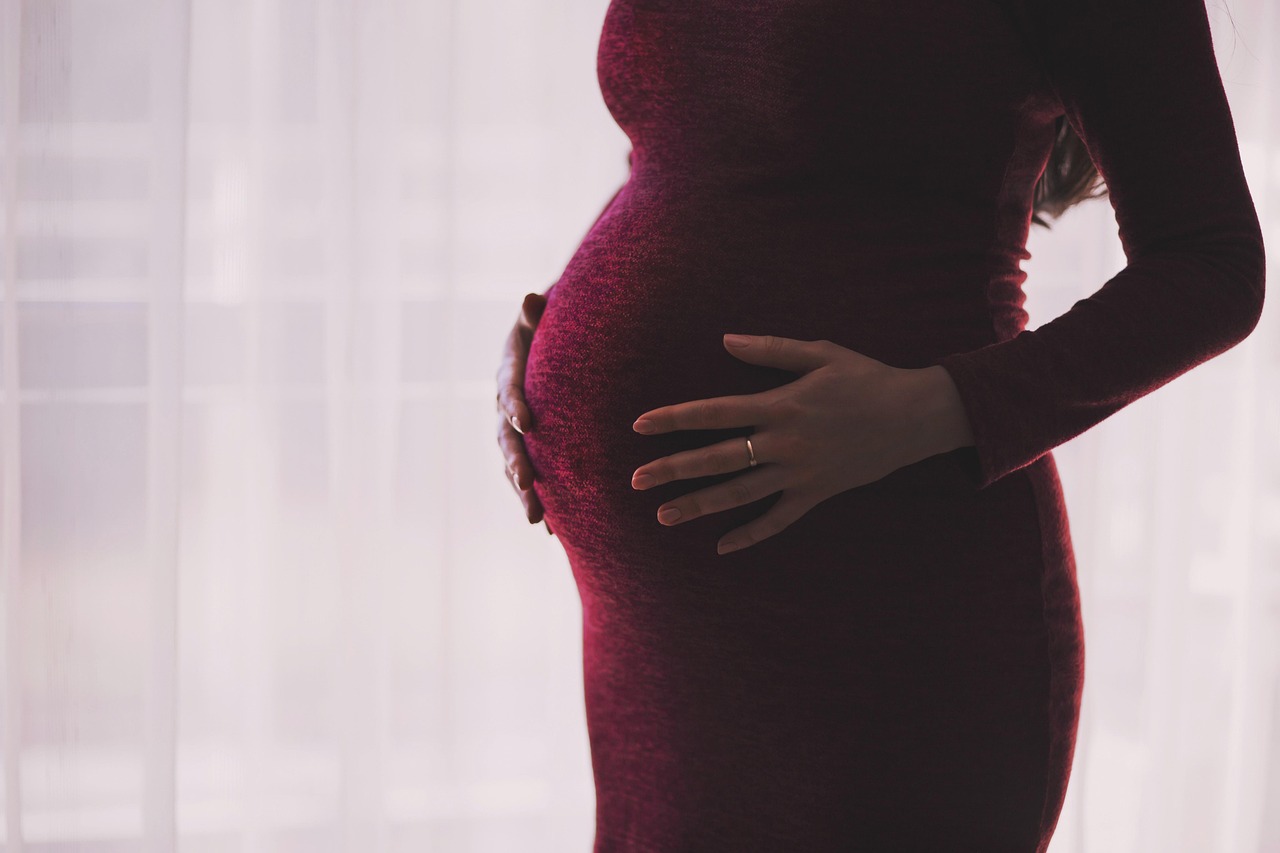
Expectant mothers delivering at Memorial Hermann The Woodlands Medical Center can donate their baby's umbilical cord blood to help treat cancer patients and others with life-threatening diseases.
The hospital is one of eight Texas facilities where UT MD Anderson Cancer Center's Cord Blood Bank has on-site collection teams, according to MD Anderson's cord blood bank page. The program collects voluntary donations from mothers after delivery, and the process poses no danger to either the mother or the baby, the cancer center said.
Umbilical cord blood is the blood that remains in the placenta and umbilical cord after a baby is born. It contains stem cells that can treat patients with many life-threatening diseases, including cancer, according to MD Anderson. The cord and placenta are otherwise discarded.
The Save the Cord Foundation, a nonprofit focused on cord blood education, works with Rotary District 5890 to support the MD Anderson program, the Baytown Sun reported. Project liaison Erin Eaton recently spoke to Baytown Rotarians about the benefits of saving umbilical cords, the Sun reported.
MD Anderson's Stem Cell Transplantation and Cellular Therapy Center performs more than 850 procedures for adults and children each year, according to the center's website. The center treats cancers including leukemia, lymphoma and multiple myeloma, along with conditions such as aplastic anemia.
Donating costs nothing. Public cord blood banks cover the collection, testing and storage, according to the Health Resources and Services Administration. Cord blood that meets transplant standards is stored at the public bank until a patient needs it. Units that fall short may be used for research or discarded. The donated blood is not saved for the donor's family.
Mothers interested in donating should talk with their doctor or midwife about three months before their due date, between the 28th and 34th week of pregnancy, according to HRSA. Basic eligibility guidelines are similar to those for blood donors. Mothers who are healthy and pregnant with one baby can usually qualify. Those with certain infectious diseases such as hepatitis B, hepatitis C or HIV cannot donate, though conditions like gestational diabetes do not disqualify donors.
At the hospital, mothers sign a consent form and tell the labor and delivery nurse they plan to donate. After the baby is born and the umbilical cord is clamped, blood from the cord and placenta is collected into a sterile bag. The collected unit, roughly one-third to just over one-half cup, is sent to the cord blood bank for testing and freezing.
Mothers delivering at Memorial Hermann The Woodlands can reach the on-site cord blood collection team at 713-897-5764. The MD Anderson Cord Blood Bank main line is 713-563-8000.
Upcoming community events:
- Monday, Oct. 26: Crochet Friends group meets at the Kevin Brady Community Center, 2250 Buckthorne Place, at 9 a.m.
- Monday, Oct. 26: The John Cooper School hosts its 39th Annual Golf Tournament at 10 a.m.
- Saturday, Nov. 7: Alden Bridge Fall Festival at Lakeside Park.