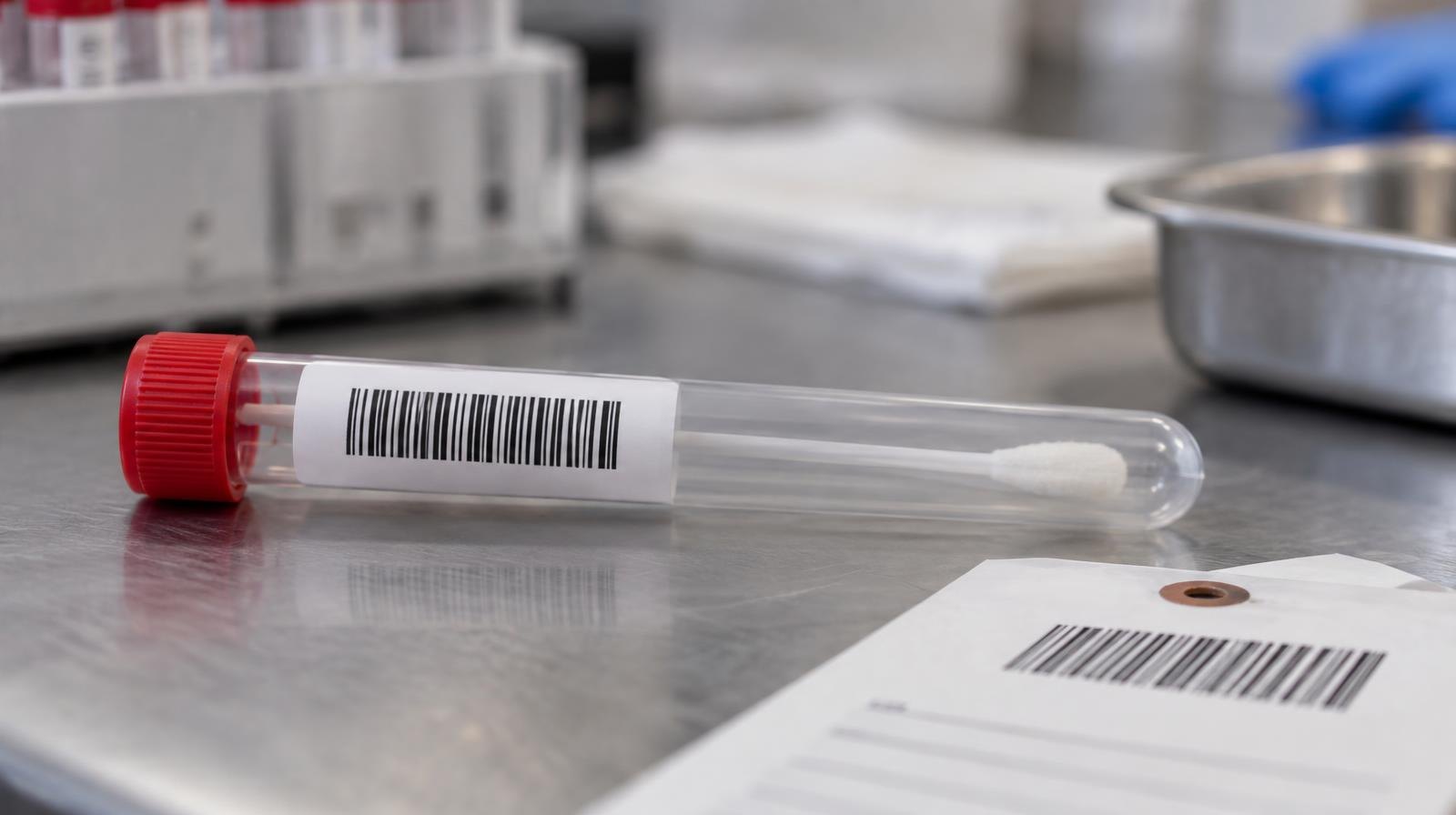
The Montgomery County Sheriff's Office produced the first positive DNA database match in Texas through a new pilot program that processes felony arrestees' DNA samples at the jail instead of mailing them to Austin.
A DNA sample collected Oct. 23 from a person booked into the Montgomery County Jail on felony theft charges generated an investigative lead connecting that person to a 2024 case, according to a Texas Department of Public Safety press release. The case remains under investigation, and DPS said no further details are being released.
The match came just eight days after the program began accepting samples on Oct. 15.
Montgomery County is one of two counties in the state selected for the two-year pilot, alongside Williamson County. The Texas Legislature created the program under Senate Bill 1723 and set aside just over $5 million in the state budget to fund it.
Sheriff Wesley Doolittle called the result a milestone in a statement published by Montgomery County Police Reporter. Doolittle said the sheriff's office is the first in Texas to generate a positive hit through the Combined DNA Index System, known as CODIS, under the program.
"We are proud to partner with the Texas Department of Public Safety and embrace innovative tools that help our investigators connect the dots, advance criminal cases, and hold offenders accountable," Doolittle said in the statement.
How the technology works
The Rapid DNA system is fully automated, according to DPS. Once a sample is inserted into the testing instrument, no human intervention is required. That means booking facility staff with limited laboratory experience can run the tests, and the resulting DNA profiles upload to CODIS for near-real-time searches against unsolved crimes.
Under current procedures, booking facilities collect DNA from felony arrestees and mail samples to the DPS CODIS lab in Austin via the U.S. Postal Service. Once received, the average processing time is 25 days, DPS said. During that window, an arrestee could be released from custody before results come back.
What comes next
The pilot program's first year, which began Sept. 1, 2025, focused on installing equipment, integrating technology and training staff. The second phase launched Oct. 15 when participating agencies began entering samples into the Rapid DNA system.
After August 2027, the DPS Crime Laboratory Division will gather findings from the pilot and report to the Texas Legislature no later than Jan. 1, 2028. Lawmakers will then consider whether to expand or further fund the program.