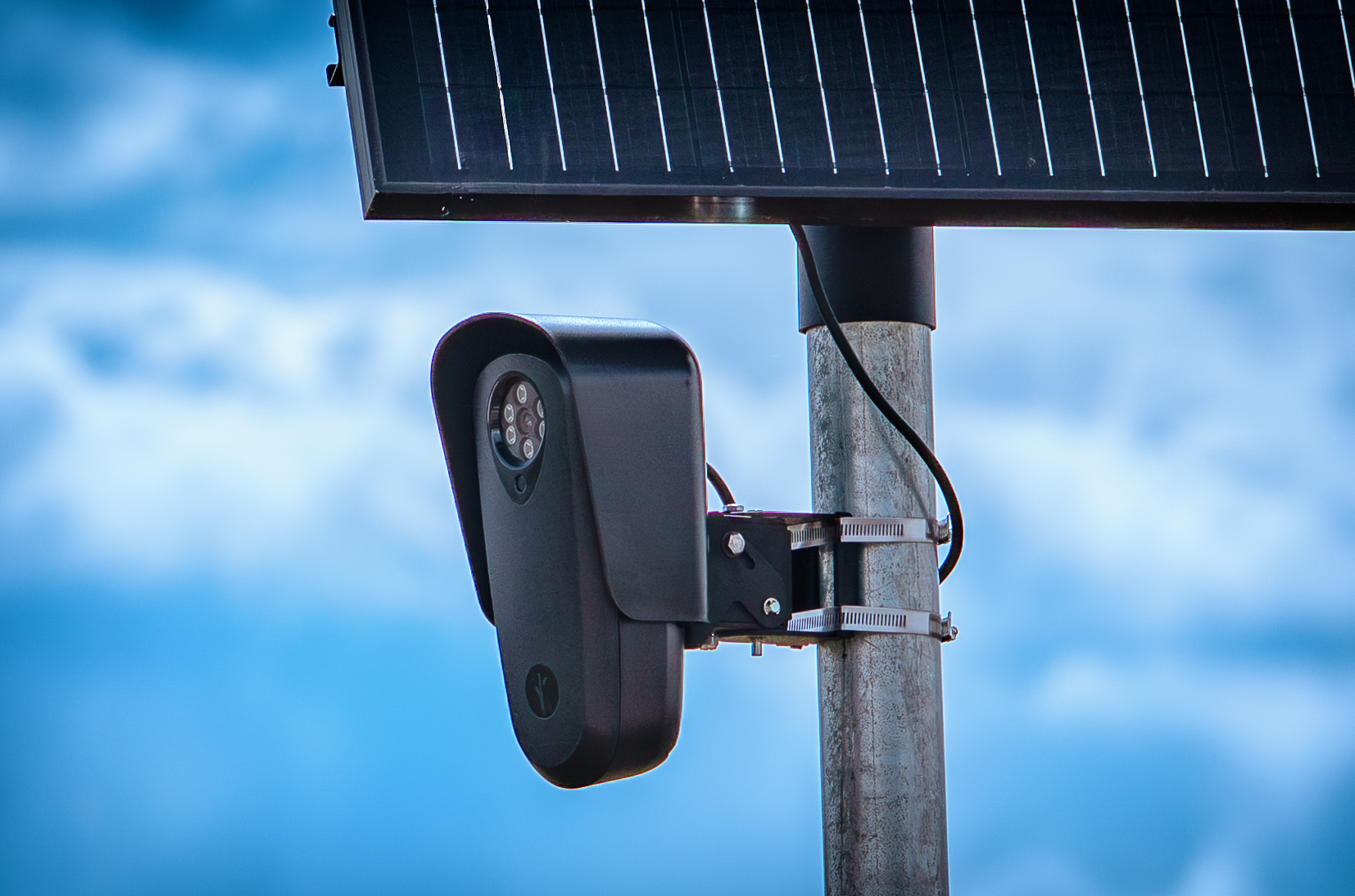
Three bills filed at the Texas Capitol would change how law enforcement agencies use automated license plate readers, a technology the Montgomery County Sheriff's Office has operated in The Woodlands since February.
The proposals range from a statewide government ban to new warrant and data-deletion requirements, KPRC 2 reported Nov. 10. All three target technology sold by Flock Safety and similar companies. The bills would need to pass both the Texas House and Senate before reaching the governor.
The Woodlands Township funded 30 Flock cameras for MCSO in its fiscal year 2026 budget at a cost of $109,500, with an estimated $90,000 in annual ongoing costs, according to Community Impact. MCSO owns and operates the cameras. The township does not access the data.
What the bills would do
State Rep. John Bucy's House Bill 331 would prohibit government entities across Texas from using automated license plate readers. The ban would apply regardless of which company provides the technology. People harmed by violations could sue for actual damages or $1,000 in statutory damages plus attorney's fees, according to KPRC 2.
"We need to sit at the table and talk about if there's ever a good reason to have these," Bucy told KPRC 2.
State Rep. Brian Harrison's House Bill 847 would require a warrant or court order before law enforcement could use the readers. Data could be used only to investigate certain violent crimes. Agencies would have to destroy data promptly unless it involves a qualifying offense or active investigation, and they would need to publish annual reports on their use of the technology.
State Rep. Mary González's House Bill 763 would allow specified uses, including felony investigations, missing-person cases and recovering stolen vehicles, while restricting data sharing. Government entities would generally have to destroy captured plate data within 48 hours, with exceptions for pending criminal cases or court orders.
Local stakes
The Woodlands Township board voted 6-0 on May 28 to accept a report from MCSO and Flock Safety on the camera system. Rhyan Droddy, command captain for MCSO South Patrol, told the board the cameras flag stolen vehicles automatically once a police report is entered.
"If your vehicle is stolen, as soon as the police report is made, we enter the vehicle in the Texas Crime Information Center, and it is uploaded into the National Crime Information Center database," Droddy said at the May meeting, according to Hello Woodlands.
Board Chair Brad Bailey said the community deserves full transparency about the technology. He also voiced support for giving officers effective tools.
Gov. Greg Abbott paused state funding for Flock cameras earlier this year, KPRC 2 reported in September. MCSO had used state Motor Vehicle Crime Prevention Authority grants to fund Flock subscriptions for 30 cameras in fiscal year 2026. Asked whether it would continue using the grant after Abbott's announcement, MCSO responded: "MCSO will comply with all lawful orders given to us by the State."
The sheriff's office has not publicly commented on the three newly filed House bills.
Privacy debate
Critics and supporters are split. Bucy said the technology's expansion has outpaced protections for Texans.
Douglas Griffith, president of the Houston Police Officers Union, told KPRC 2 that removing the cameras would hurt officers' ability to identify and apprehend suspects. He supports safeguards and penalties for improper searches but opposes a ban.
Flock cameras use artificial intelligence to scan every passing vehicle, uploading plate numbers, car models, color and other details to a searchable database, Houston Public Media reported. Law enforcement agencies can search that database without a warrant under current Texas law.
Flock recently shortened its default data retention from 30 to seven days and added a requirement for a case code before any search, according to Houston Public Media.
All three bills remain proposals with no committee hearing dates announced.