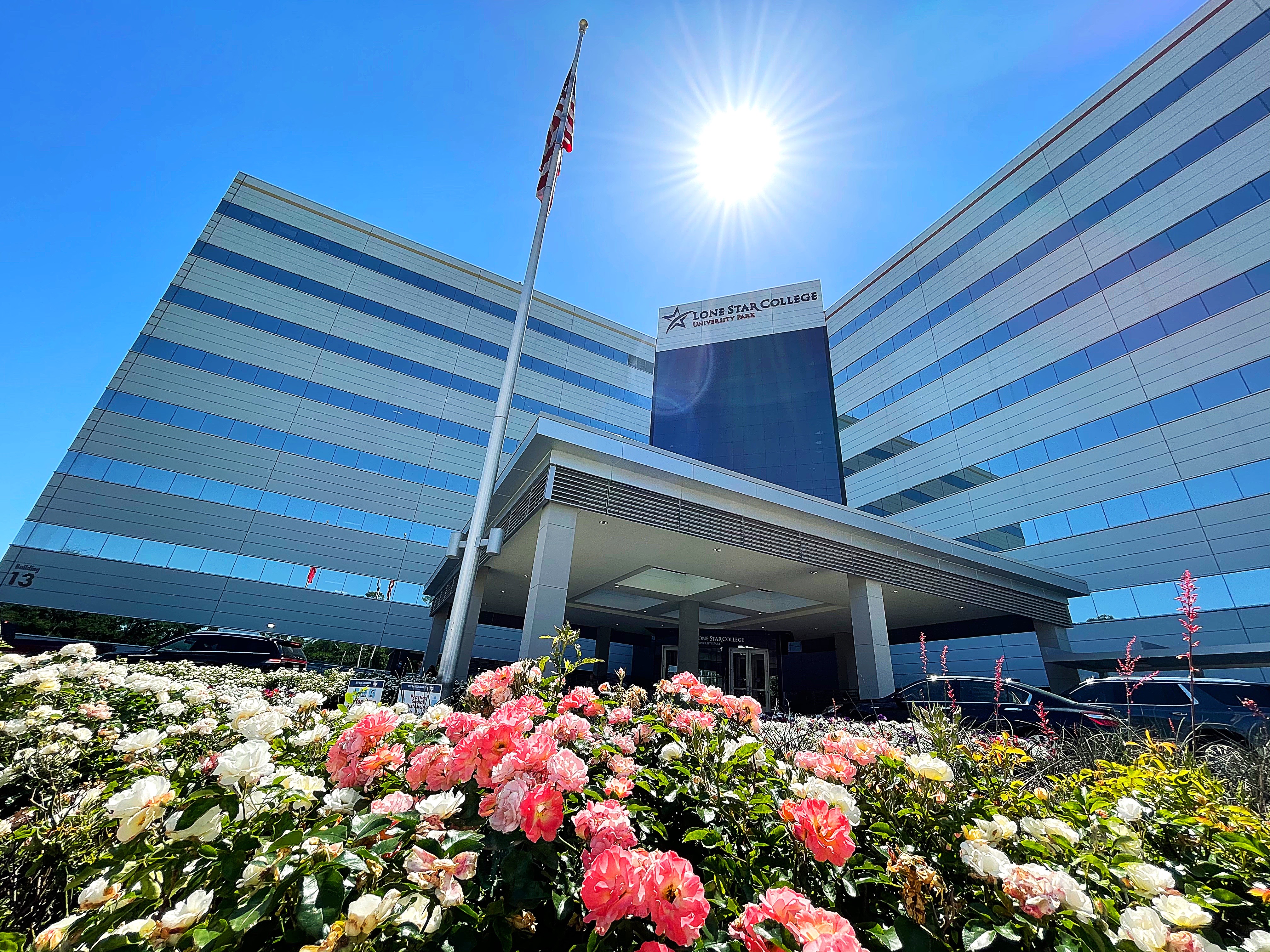
Woodlands-area students heading to Lone Star College-University Park this fall could feel the effects of a statewide funding crunch that college leaders say threatens faculty hiring, advising, and campus budgets across Texas.
During a Texas Senate committee hearing on Wednesday, July 29, community college presidents testified publicly for the first time that House Bill 8, the 2023 law tying state funding to student outcomes, has generated far more success than the state budgeted for, Houston Public Media reported. The Texas Higher Education Coordinating Board prorated payments to stay within its appropriation, contributing to a more than 15% drop in state funding for nearly a dozen colleges.
THECB has not disclosed the total funding gap for the current biennium. The prior gap was nearly $90 million.
How HB 8's promise fell short
HB 8 replaced the old enrollment-based model with one that rewards colleges for getting students to complete degrees, earn certificates, transfer to universities, and participate in dual credit. Colleges exceeded projections so dramatically that the state couldn't cover what they earned.
"This is a new program, and the growth really vastly exceeded even our pretty significant growth expectations," THECB Assistant Commissioner Andy MacLaurin told the Senate finance committee Wednesday.
Sen. Lois Kolkhorst, R-Brenham, pressed THECB officials directly: "Was that a mistake of your projections?"
A Texas 2036 analysis released the same day found dual-credit enrollment grew 20% and credential completions rose about 22% from fiscal year 2023 to fiscal year 2025.
Why it matters at LSC-University Park
Lone Star College is the largest community college in Texas, enrolling 97,294 credit students in fall 2025 and setting a spring 2026 record of 97,221, a 6.4% jump from the prior spring. Nearly 29,000 of those fall students took dual-credit courses, the exact category HB 8 incentivizes and the one driving the funding gap.
LSC-University Park, the system's campus serving The Woodlands corridor and led by President Matthew Dempsey, begins its fall 2026 semester on Monday, August 24. The system's own annual financial report acknowledges HB 8 and notes LSC shifted from a ten-pay to a three-pay funding schedule under the new model, making cash flow more volatile.
LSC kept in-district tuition flat at $111 per credit hour for 2025-26, limiting the system's ability to offset any state shortfall through tuition hikes.
Chancellor Mario K. Castillo has not publicly commented on LSC's specific HB 8 exposure. The Woodlands Record contacted LSC for comment; officials had not responded by publication time.
What other colleges are doing
The budget strain is already forcing action elsewhere. San Jacinto College President Brenda Hellyer told senators the shortfall "turns into faculty salaries" and will "definitely affect advising," adding she expects to recommend spending more than the school takes in this year.
North Central Texas College Chancellor Brent Wallace said he must freeze positions because of a $4.5 million shortfall. Austin Community College reported receiving $6 million less than last year from HB 8.
Alamo Colleges District Chancellor Mike Flores said his system deliberately avoids funding permanent positions with HB 8 money. "If I fund positions on HB 8 money, and then I lose that money, well, then I have to lay off or fire those folks," Flores told the Texas Tribune.
What comes next
One week before the hearing, on Wednesday, July 22, THECB trimmed the formula's bonuses for educating low-income students and adult learners, a move that will reduce future payouts but drew criticism from college leaders.
The Texas Legislature's next regular session begins in January 2027. Lawmakers could pass supplemental funding to cover the gap, as they did for the prior biennium's $90 million shortfall. No guarantee exists that they will.
Woodlands-area residents who want to weigh in can contact their state senator or representative before the session convenes.