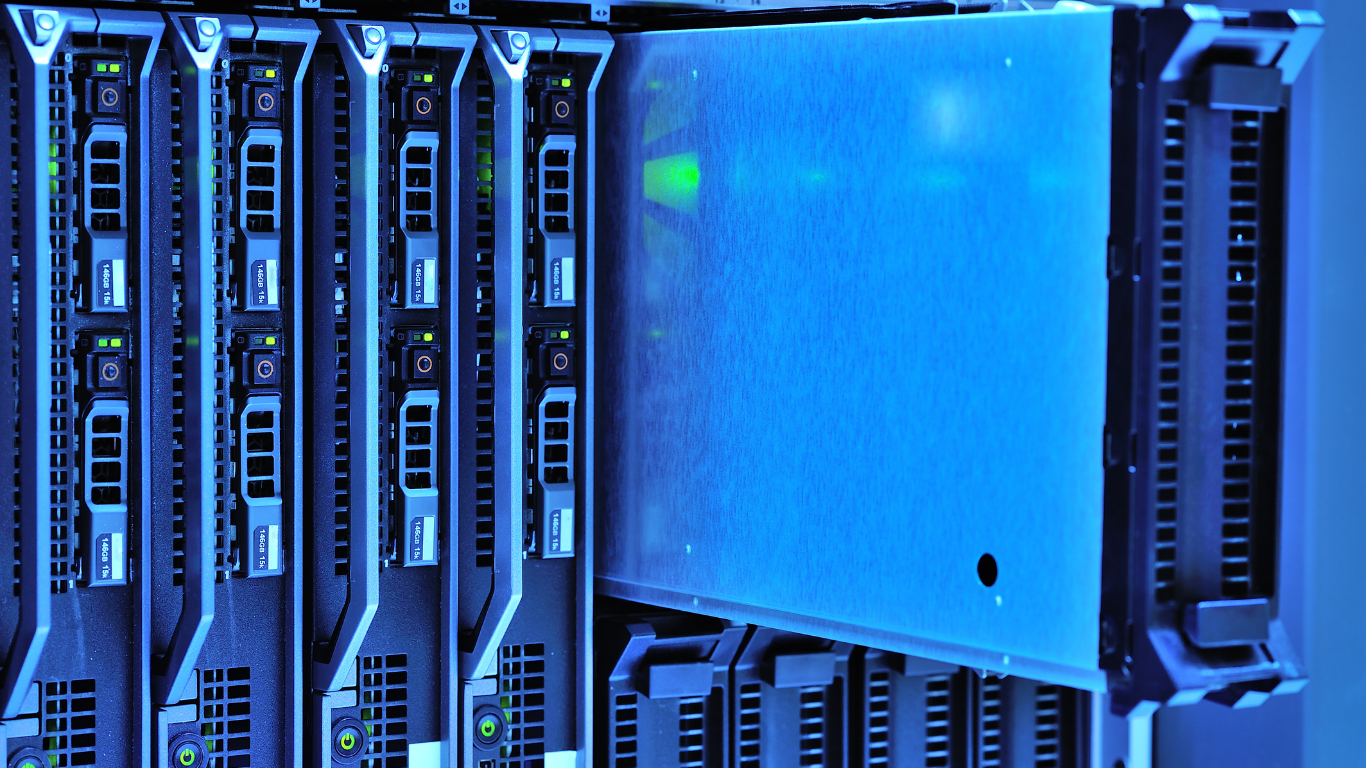
Gov. Greg Abbott's moratorium on new data center connections to the Texas power grid could freeze future development along The Woodlands' Research Forest corridor, where at least one data center already operates and corporate campuses draw heavily on the state's electricity supply.
Abbott on Tuesday, Aug. 4, directed the Public Utility Commission of Texas and ERCOT to stop approving grid connections for all new data center projects until regulators complete a comprehensive audit. Under the directive, developers must disclose expected electricity demand, water use, cooling systems, tax incentives, ownership and plans to reduce impacts on nearby communities, including noise, light and traffic.
"Any project that fails to comply with the requirements set forth by the PUC and ERCOT, and by state law, must be denied connection to the Texas grid," Abbott said in the directive, as reported by E&E News. "Simply put, Texans must come first."
A data center already on Research Forest
The Woodlands is not hypothetical data center territory. Stream Data Centers has operated a 74,901-square-foot facility at 4001 Technology Forest Blvd. since 2013, drawing 7.8 megawatts of critical load through dual utility feeds from two substations. The LEED Silver-certified building sits squarely on the Research Forest corridor, according to Stream's own site listing.
That facility predates the moratorium. It is already operational and listed as "Sold," so it is not subject to the new audit. But any future data center proposals seeking grid connections in the corridor would fall under Abbott's freeze.
Scale of the backlog
The numbers behind the moratorium are staggering. ERCOT is tracking more than 1,800 projects in its interconnection queue, representing over 474 gigawatts of requested capacity — more than five times the grid's all-time peak demand, the Texas Tribune reported. About 90% of those requests come from data centers.
Texas already has 335 operating data centers, with at least 248 more planned or under construction. The Houston metro area alone hosts more than 60 facilities. Texas is the nation's second-largest data center market behind Virginia and is positioned to take the top spot.
What residents could feel
University of Houston electrical engineering professor Harish Krishnamoorthy told KPRC 2 that accommodating massive new industrial loads will hit household budgets: "So that is going to increase the consumer cost, unfortunately."
Abbott's directive also requires data centers to pay for all their own electric infrastructure costs, building on a June 10 letter in which the governor told PUCT Chairman Thomas Gleeson and ERCOT CEO Pablo Vegas to reduce residential ratepayer transmission costs.
A UT/Texas Politics Project poll found more than half of Texas respondents said they would oppose a data center in their community. In Alvin, about 60 miles south of The Woodlands, city leaders recently approved a resolution opposing new data center developments within city limits.
What happens next
The freeze has no end date.
ERCOT has postponed its "Batch Zero" transmission planning study, which had been set to notify qualifying data centers on Aug. 7. No published criteria exist for what passes the audit, according to a legal analysis by K&L Gates.
The PUC's open meeting on Aug. 20 is the next milestone, where regulators are expected to set the path forward. Abbott has pledged to make data center regulation a priority during the 2027 legislative session, including ending tax breaks for these facilities and requiring water-efficient cooling.